

Introduction
In today's interconnected world, ensuring reliable signal integrity is crucial for the proper functioning of electronic devices and systems. Shielded cables play a vital role in maintaining signal quality by protecting against electromagnetic interference (EMI) and radio frequency interference (RFI). This article will delve into the importance of shielded cables for signal integrity and explore the various types, construction, applications, and advantages of using shielded cables in electronic systems.
Importance of Signal Integrity
Signal integrity refers to the ability of a signal to travel from a transmitter to a receiver without distortion or degradation. In electronic systems, maintaining signal integrity is essential for ensuring accurate data transmission, minimizing errors, and preventing signal loss. Factors such as noise, EMI, RFI, crosstalk, and impedance mismatches can all impact signal integrity, leading to signal distortion and degradation.
EMI and RFI are common sources of interference that can disrupt signal transmission and compromise system performance. Mineral cable electrical safety is generated by electromagnetic fields from external sources, while RFI refers to interference caused by radio frequency signals. Shielded cables provide a protective barrier that helps mitigate the effects of EMI and RFI, thereby preserving signal integrity and ensuring reliable data transmission.
Types of Shielded Cables
There are several types of shielded cables commonly used in electronic systems, each designed for specific applications and environments. The most common types of shielded cables include:
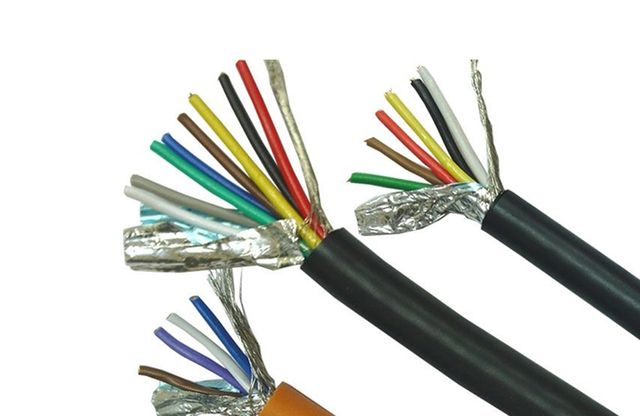
1. Foil Shielded Cable: Foil shielded cables consist of a thin layer of aluminum or copper foil wrapped around the conductors. The foil shield provides excellent protection against EMI and RFI and is suitable for applications where flexibility is required.
2. Braided Shielded Cable: Braided shielded cables feature a woven mesh of fine metal strands, such as copper or aluminum, surrounding the conductors. The braided shield offers high flexibility and superior EMI and RFI protection, making it ideal for high-frequency applications and environments with high levels of interference.
3. Combination Shielded Cable: Combination shielded cables combine both foil and braided shielding to provide enhanced protection against EMI and RFI. These cables are well-suited for applications that require maximum shielding effectiveness and are commonly used in industrial, aerospace, and military applications.
Construction of Shielded Cables
Shielded cables are constructed using multiple layers of materials to provide robust protection against interference and ensure optimal signal integrity. The key components of a shielded cable include:
1. Conductors: The conductors are the core components of the cable responsible for carrying the electrical signals. Copper is the most commonly used material for conductors due to its excellent conductivity and flexibility.
2. Insulation: Insulation materials such as PVC, polyethylene, or Teflon are used to separate the conductors and provide electrical insulation. The insulation helps prevent signal leakage and minimizes crosstalk between adjacent conductors.
3. Shielding: The shielding layer is the outermost component of the cable and is designed to protect the conductors from external interference. The shielding material can be in the form of foil, braid, or a combination of both, depending on the level of protection required.
4. Jacket: The jacket is the outer covering of the cable that provides mechanical protection and insulation. The jacket material is typically made of PVC, polyurethane, or TPE and helps shield the cable from environmental factors such as moisture, abrasion, and chemicals.
Applications of Shielded Cables
Shielded cables are used in a wide range of applications across various industries where signal integrity is critical. Some common applications of shielded cables include:
1. Data Transmission: Shielded cables are widely used in data communication systems, such as Ethernet networks, USB connections, and HDMI cables, to ensure reliable data transmission and prevent interference.
2. Industrial Automation: In industrial automation systems, shielded cables are essential for maintaining signal integrity in harsh environments with high levels of electromagnetic interference. These cables are used in control systems, robotics, and machinery to ensure accurate data transmission and system reliability.
3. Medical Devices: Shielded cables are employed in medical devices and equipment to prevent interference that could compromise patient safety and the accuracy of diagnostic data. These cables are used in imaging systems, patient monitors, and surgical equipment where reliable signal transmission is critical.
4. Aerospace and Defense: Shielded cables play a vital role in aerospace and defense applications where reliable communication and data transmission are essential for mission-critical operations. These cables are used in avionics systems, radar systems, and military communication networks to ensure secure and interference-free signal transmission.
Advantages of Shielded Cables
Using shielded cables offers several advantages for maintaining signal integrity and ensuring reliable data transmission in electronic systems. Some key advantages of using shielded cables include:
1. EMI and RFI Protection: Shielded cables provide effective protection against electromagnetic interference and radio frequency interference, minimizing signal distortion and ensuring reliable data transmission in noisy environments.
2. Improved Signal Quality: By shielding the conductors from external interference, shielded cables help maintain signal integrity and prevent signal degradation, resulting in improved signal quality and reduced data errors.
3. Enhanced Reliability: Shielded cables are designed to withstand harsh environmental conditions, mechanical stress, and interference, making them highly reliable for critical applications where uninterrupted signal transmission is essential.
4. Flexibility and Durability: Shielded cables are available in various configurations, including foil, braided, and combination shielding, to meet specific application requirements. These cables are flexible, easy to install, and durable, making them suitable for a wide range of applications.
Conclusion
In conclusion, shielded cables are essential components for maintaining signal integrity and ensuring reliable data transmission in electronic systems. By providing protection against EMI and RFI, shielded cables help preserve signal quality, minimize signal distortion, and prevent interference that could compromise system performance. Understanding the types, construction, applications, and advantages of shielded cables is crucial for selecting the right cable for specific requirements and ensuring optimal signal integrity in electronic systems. Whether used in data communication, industrial automation, medical devices, or aerospace and defense applications, shielded cables play a critical role in safeguarding signal integrity and ensuring the seamless operation of electronic devices and systems.